If you have ever stood in front of a contemporary artwork and asked yourself, “Why is this art?” you are certainly not alone.
We live in a fascinating era of rapid technological and cultural change, and those transformations have had a profound influence on contemporary art. Defining contemporary art is not always straightforward. It is eclectic by nature and is not governed by a single ideology, movement or aesthetic.
It is not always immediately accessible. Contemporary art frequently challenges the intellect, stimulates the senses and, at times, deliberately provokes or unsettles its audience. Its purpose can be to expand the way we think and perceive the world. Like a new language, it sometimes has to be learned before it can be fully understood.
One of the defining characteristics of contemporary art is the period in which it was created — broadly speaking, from the second half of the 20th century to the present day. Another is its distinctly pluralistic character.
Modern technology has introduced artists to industrial materials such as plastics, polymers, adhesives and aluminum, as well as mixed-media techniques that combine different materials and disciplines.
The digital revolution has transformed art even further. Alongside photography, artists now work with digital painting on computers and tablets, video art, interactive media and virtual reality.
While painting and traditional sculpture once dominated the art world, numerous artistic movements and approaches now exist side by side.
Here we explore some of the most influential movements shaping contemporary art — including Installation Art, Conceptual Art, Hyperrealism and Photorealism, Performance Art, Minimalism and Pop Art.
Installation Art
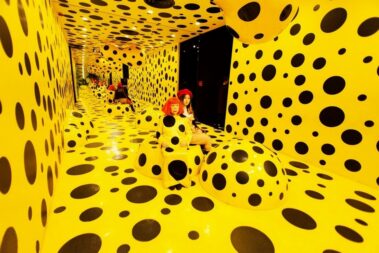
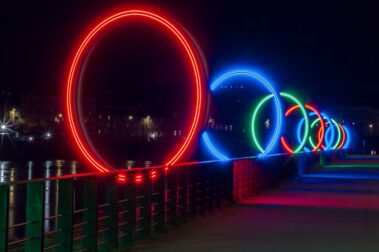
Installation art occupies and transforms a physical space. It can combine elements from several disciplines, including painting, sculpture, photography, video and sound.
Artists “install” their work in an indoor or outdoor environment, sometimes creating it specifically for a particular location — an approach known as site-specific art.
Unlike traditional artworks intended to be viewed from a fixed position, installations encourage visitors to move through or around the work, becoming participants in the experience.
Many installations are temporary. Once dismantled, photographs and videos may be the only lasting documentation of the original artwork.
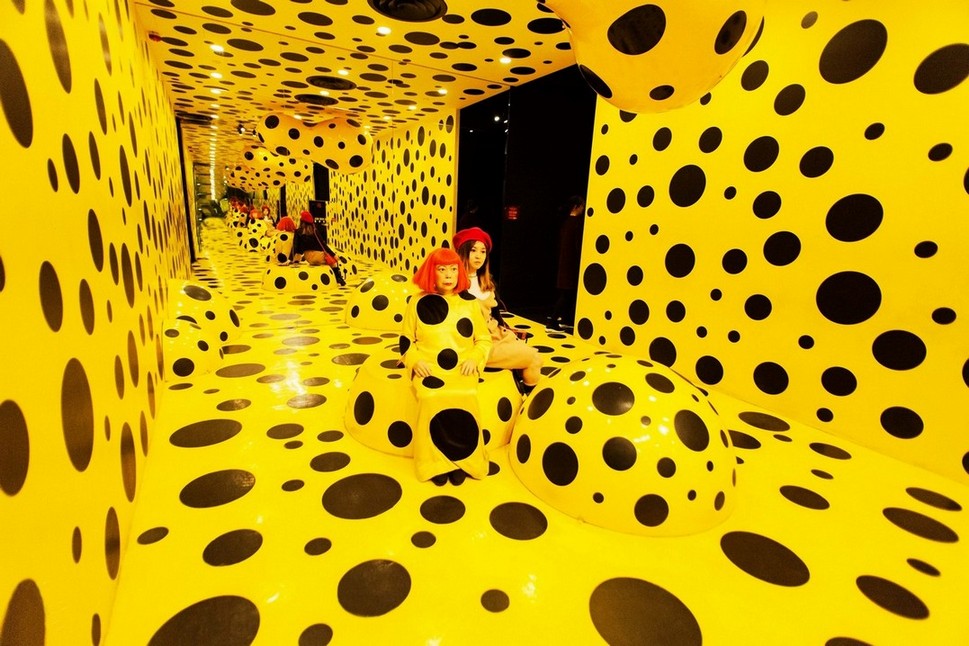
One of the world’s best-known installation artists is Japanese artist Yayoi Kusama, whose signature use of seemingly endless polka dots has become instantly recognizable.
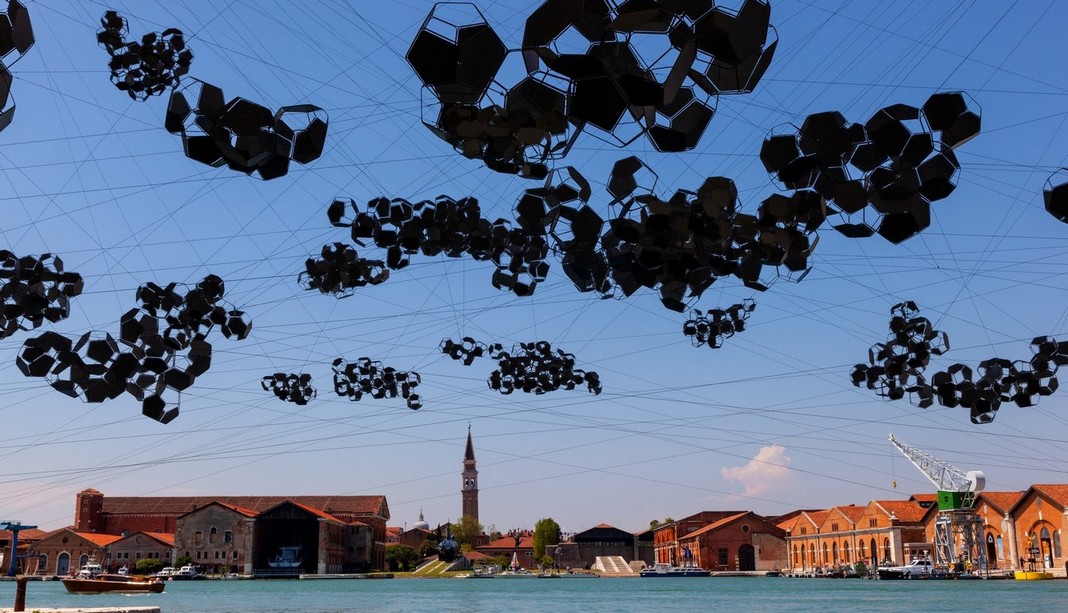
Another important figure is Argentine artist Tomás Saraceno, known for installations inspired by ecology, architecture and the natural environment. At the 58th Venice Biennale in 2019, his work explored interconnected systems and alternative ways of imagining humanity’s relationship with the atmosphere and the planet.
Other leading installation artists include Mona Hatoum, Olafur Eliasson, Christian Boltanski, Urs Fischer and Shilpa Gupta.
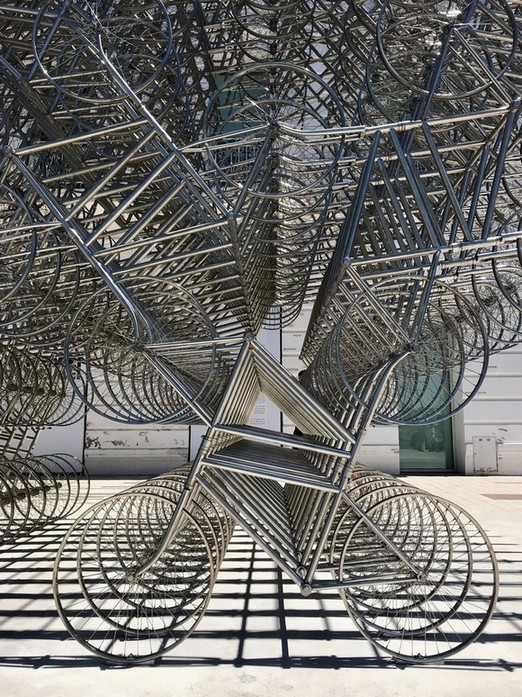
Large-scale installation “Forever Bicycles” by Chinese artist Ai Weiwei, constructed from hundreds and, in some versions, thousands of bicycles.
Conceptual Art
Conceptual Art is based on a radical principle: the idea behind the artwork can be more important than the physical object itself.
Rather than focusing primarily on technical execution or the beauty of the materials, conceptual artists transform art into an intellectual, philosophical or political statement.
French-American artist Marcel Duchamp became one of the movement’s most important precursors with his revolutionary 1917 work Fountain. Duchamp took an ordinary manufactured urinal, removed it from its functional context and presented it as art.
It became one of the most famous examples of the readymade — an ordinary manufactured object selected and redefined by the artist.
The gesture fundamentally challenged traditional assumptions about what an artwork could be and who had the authority to define it.
For conceptual artists, the artist becomes primarily a creator of ideas. Almost any material, object or technique can be used to express those ideas.
Duchamp’s influence can be seen in the work of artists such as Jasper Johns, Maurizio Cattelan and Ai Weiwei.
Ai Weiwei’s monumental Forever Bicycles installations, for example, transform one of China’s most familiar everyday objects into vast sculptural structures that invite interpretations involving movement, individuality, society and freedom.
Hyperrealism and Photorealism
Photorealism and Hyperrealism developed prominently in the United States and Europe during the late 20th century and remain influential today.
These approaches appear in figurative painting and sculpture characterized by extraordinary precision, detail and technical control.
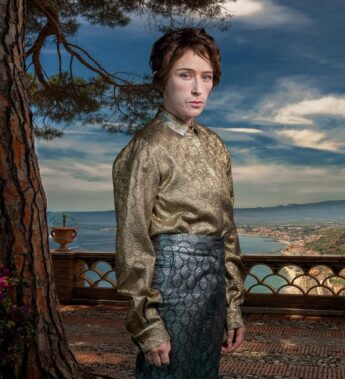
Artists frequently work from photographic references, allowing them to reproduce portraits, landscapes and everyday scenes with remarkable accuracy.
American artist Chuck Close became famous for his monumental portraits, while Israeli-born artist Yigal Ozeri, who has worked extensively in New York, creates paintings in which thousands of carefully controlled brushstrokes blur the distinction between photography and painting.
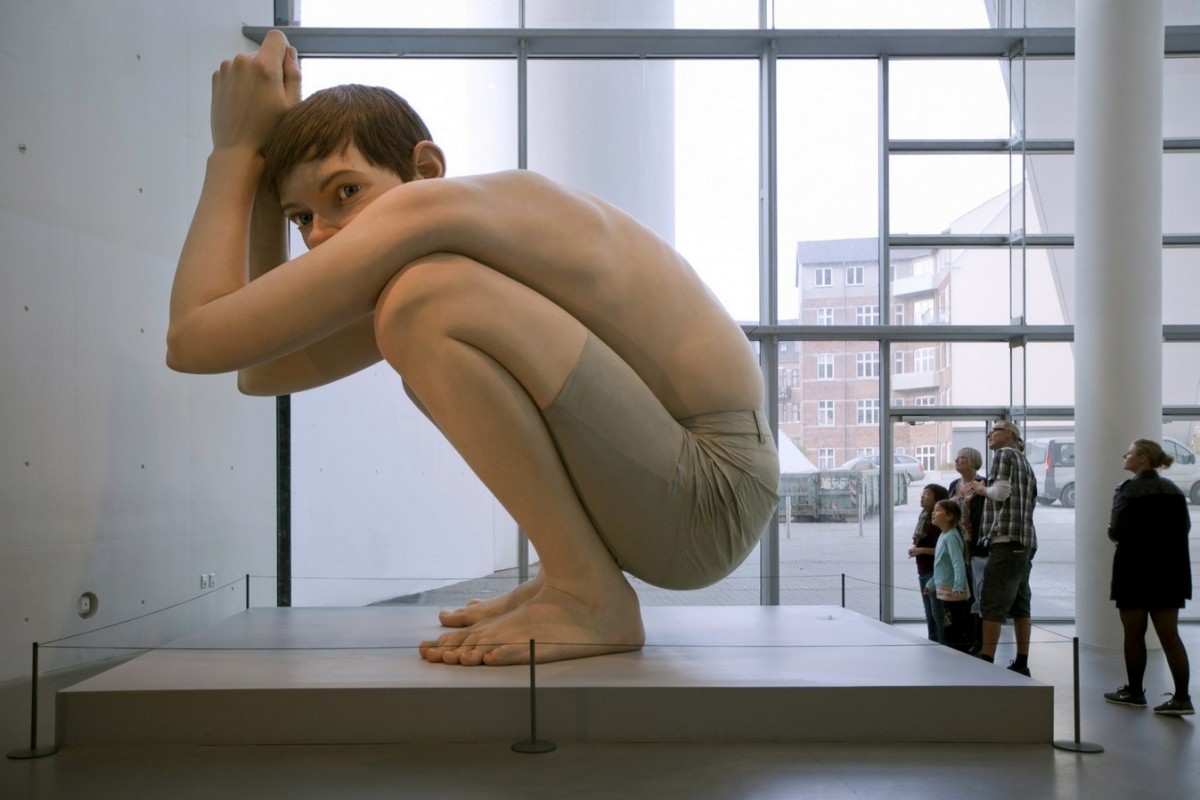
Australian-born sculptor Ron Mueck is renowned for astonishingly lifelike human figures. Often dramatically larger or smaller than life, his sculptures reproduce minute details of skin, hair, wrinkles and facial expressions with remarkable realism.

Performance Art
Performance Art combines elements from disciplines such as theater, dance, poetry, sound and video.
Unlike a conventional painting or sculpture, a performance unfolds in real time. In some cases, the audience is invited to participate, challenging the traditional distinction between artist and spectator.
Performance Art emerged as an important artistic medium during the 20th century and became closely associated with Conceptual Art during the 1960s and 1970s.
Many early performances were intentionally provocative and sometimes difficult to watch.
In Yoko Ono’s famous Cut Piece, first performed in the 1960s, members of the audience were invited to approach the artist and cut pieces from her clothing.
One of the most influential figures in Performance Art is Serbian artist Marina Abramović.
Since the 1970s, Abramović has explored endurance, vulnerability, pain, trust and the relationship between performer and audience.
In the legendary 1974 performance Rhythm 0, she placed 72 objects on a table and allowed visitors to use them on her body while she remained passive for six hours.
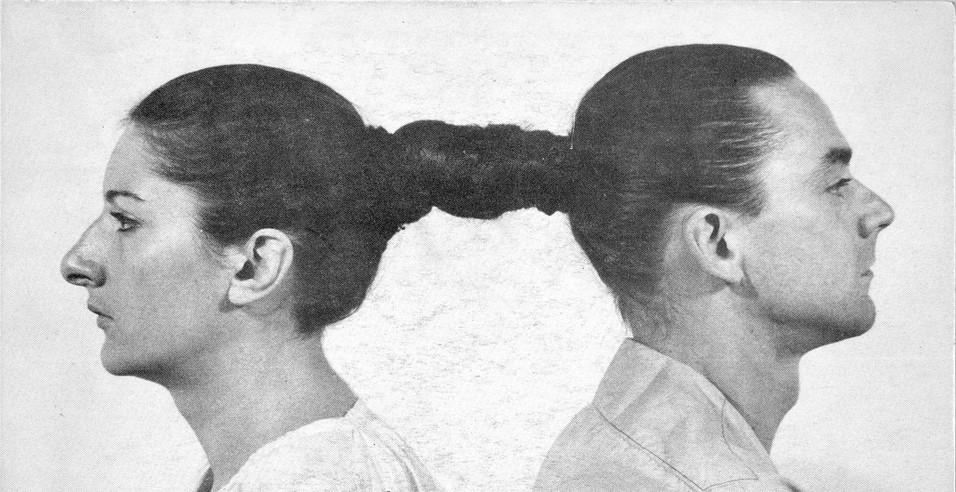
During her celebrated artistic partnership with Ulay, the two artists created performances that explored emotional and physical boundaries, including works in which they repeatedly struck each other or remained physically connected for extended periods.
Minimalism
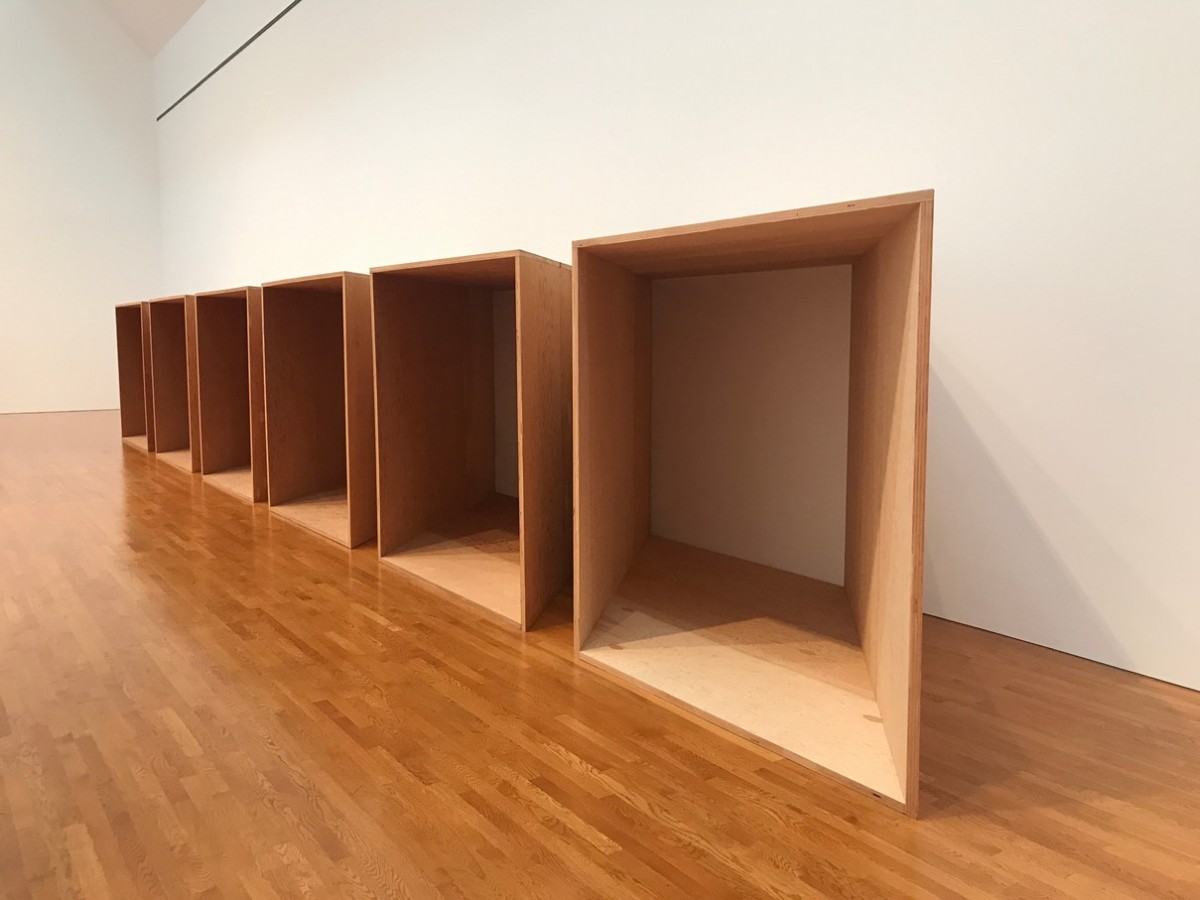
Minimalism emerged during the 1960s and sought to reduce art to its fundamental elements of form, color, material and space.
Its restrained aesthetic rejected decorative excess and embraced geometric abstraction, industrial materials and new production techniques.
The philosophy is frequently associated with the famous principle “Less is more.”
Minimalist art generally avoids overt emotional expression and the visible personality of the artist. Instead, attention is directed toward the object itself, its materials, proportions and relationship with the surrounding space.
Minimalist principles have influenced not only visual art but also architecture, industrial design, music, dance and literature.
Leading figures associated with Minimalism include Richard Serra, Dan Flavin, Sol LeWitt, Carl Andre and Donald Judd, whose sculptures and installations frequently employ repeated geometric forms and industrial materials.
Pop Art
Pop Art emerged in Britain and the United States during the 1950s and reached its cultural peak in the 1960s.
The movement drew its imagery from popular culture and the rapidly expanding consumer society that followed World War II.
Advertising, magazines, cinema, fashion, popular music, automobiles, celebrities, comic books and supermarket products all became legitimate artistic subjects.
Pop artists deliberately blurred the distinction between traditional “high art” and supposedly “low” popular culture.
An ordinary soup can, Coca-Cola bottle or comic-book image could suddenly become the subject of a museum-worthy artwork.
Artists employed techniques including enlargement, repetition and appropriation, often using intense colors as well as words, commercial symbols and corporate logos.
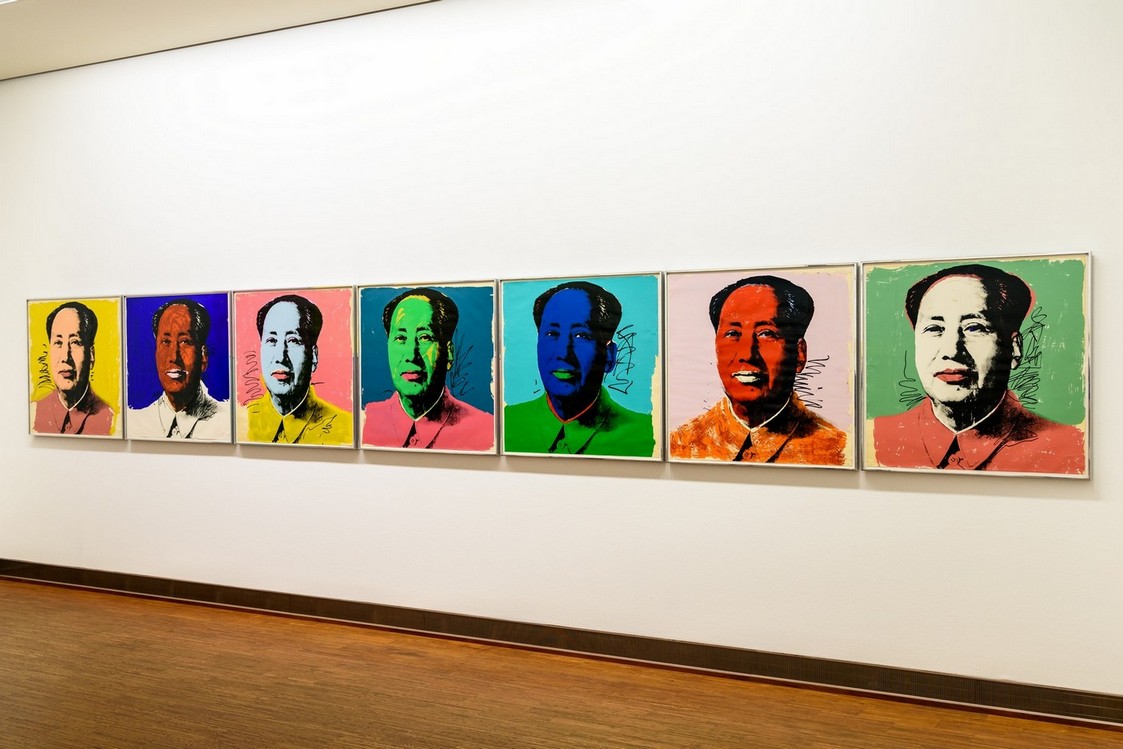
Popular culture itself became both an inspiration and a subject of irony. Hollywood stars such as Marilyn Monroe, Elizabeth Taylor and Elvis Presley, as well as comic-book superheroes, entered the visual vocabulary of contemporary art.
Among the movement’s most influential artists were Andy Warhol, Roy Lichtenstein, Claes Oldenburg, Richard Hamilton and Keith Haring.
Pop Art later helped inspire the rise of Neo-Pop during the 1980s and beyond.
Contemporary artists associated with this broader tradition include American artist Jeff Koons and Japanese artist Takashi Murakami.
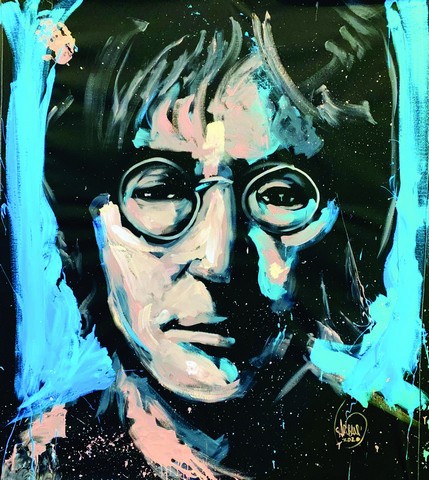
Another interesting example is American artist David Garibaldi, who combines painting with live performance, rapidly creating colorful portraits on stage accompanied by music.
The Ever-Changing Language of Contemporary Art
Part of contemporary art’s enduring fascination lies in its extraordinary ability to combine movements, techniques, materials and media.
Painting can become performance. Sculpture can become architecture. Technology can turn a gallery into an immersive virtual environment, while an ordinary manufactured object can become the starting point for a philosophical debate about the very meaning of art.
And the boundaries continue to move.
As artificial intelligence, augmented and virtual reality, immersive environments, robotics and other emerging technologies become increasingly accessible to artists, the definition of an artwork is likely to expand even further.
Contemporary art has never really been about providing simple answers.
Its power lies in its ability to make us look again — and sometimes to question what we thought we already understood.