Cindy Sherman (1954)
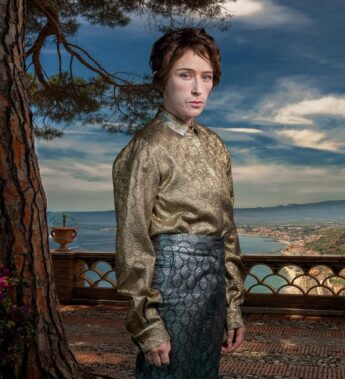
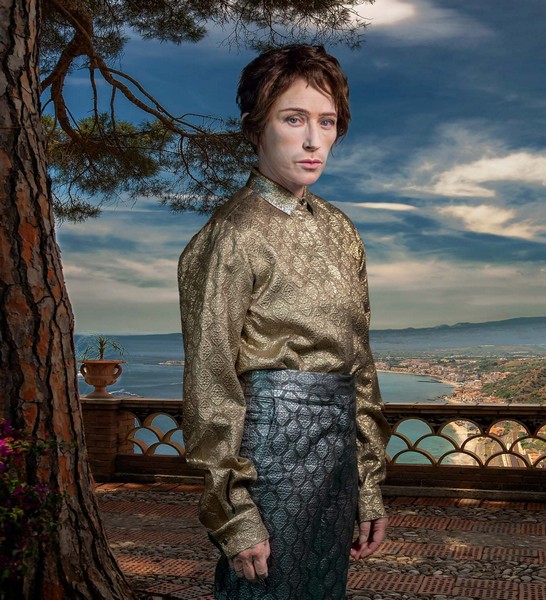
American photographer Cindy Sherman is considered one of the most influential contemporary artists. Since the late 1970s, she has built her career around self-portraiture, photographing herself transformed into a wide range of fictional personas. Through elaborate costumes, wigs, makeup, props, and theatrical settings, she examines the ways women are represented and stereotyped in popular culture.
A woman of a thousand faces, Sherman deliberately erases her own identity in every photograph, reinventing herself as countless characters—from bored housewives, clowns, and librarians to glamorous Hollywood actresses of the 1940s and extravagantly styled women. Rather than portraying real individuals, her images present archetypes that invite viewers to question assumptions about gender, identity, and social roles.
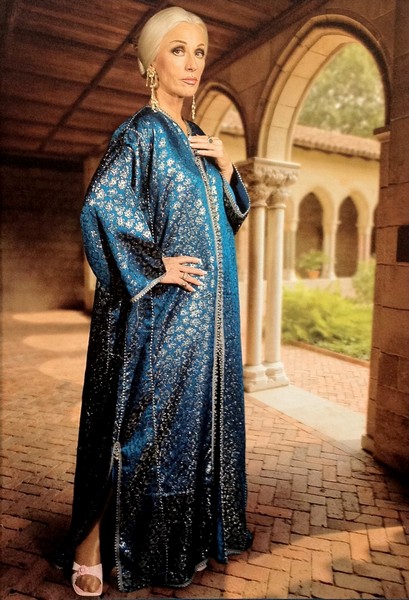
Sherman intentionally leaves her photographs untitled, allowing them to remain ambiguous and open to interpretation. Viewers are often fascinated by her remarkable ability to transform herself so completely from one image to the next. She serves simultaneously as the model, director, concept creator, and performer, while the photographs are either self-taken or captured by another photographer under her artistic direction.
Sherman has represented the United States twice at the Venice Biennale and has exhibited her work in hundreds of exhibitions worldwide. In 2012, the Museum of Modern Art (MoMA) in New York presented a major retrospective of her work, describing her as “one of the most influential artists of our time.”