Egon Schiele (1890–1918)
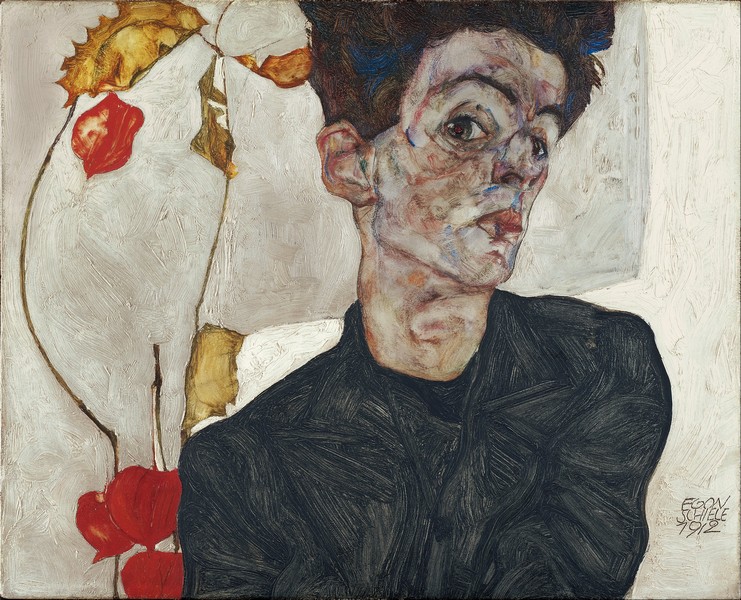
An Austrian painter, Egon Schiele is renowned for his provocative, highly sensual portraits and is regarded as one of the most influential artists of the early twentieth century. He died at the age of 28 during the Spanish flu pandemic, yet in his brief lifetime he created more than 300 oil paintings and several thousand works on paper. Schiele lived in Vienna during the emergence of Sigmund Freud’s psychoanalysis, a period when sexuality became an important subject of public discussion—a theme he explored extensively through his portraits.
Schiele’s work, featuring female nudes and self-portraits in striking and often provocative poses with explicit nudity, led to his brief imprisonment in 1912 on charges related to the production of obscene material. Through his art, he expressed his dark inner world, anxieties, and desires, often with unprecedented directness. Rather than portraying conventional ideals of beauty, Schiele deliberately distorted the human figure with elongated proportions, exaggerated anatomy, unnatural poses, and intense facial expressions that convey pain, anxiety, sadness, and loneliness.
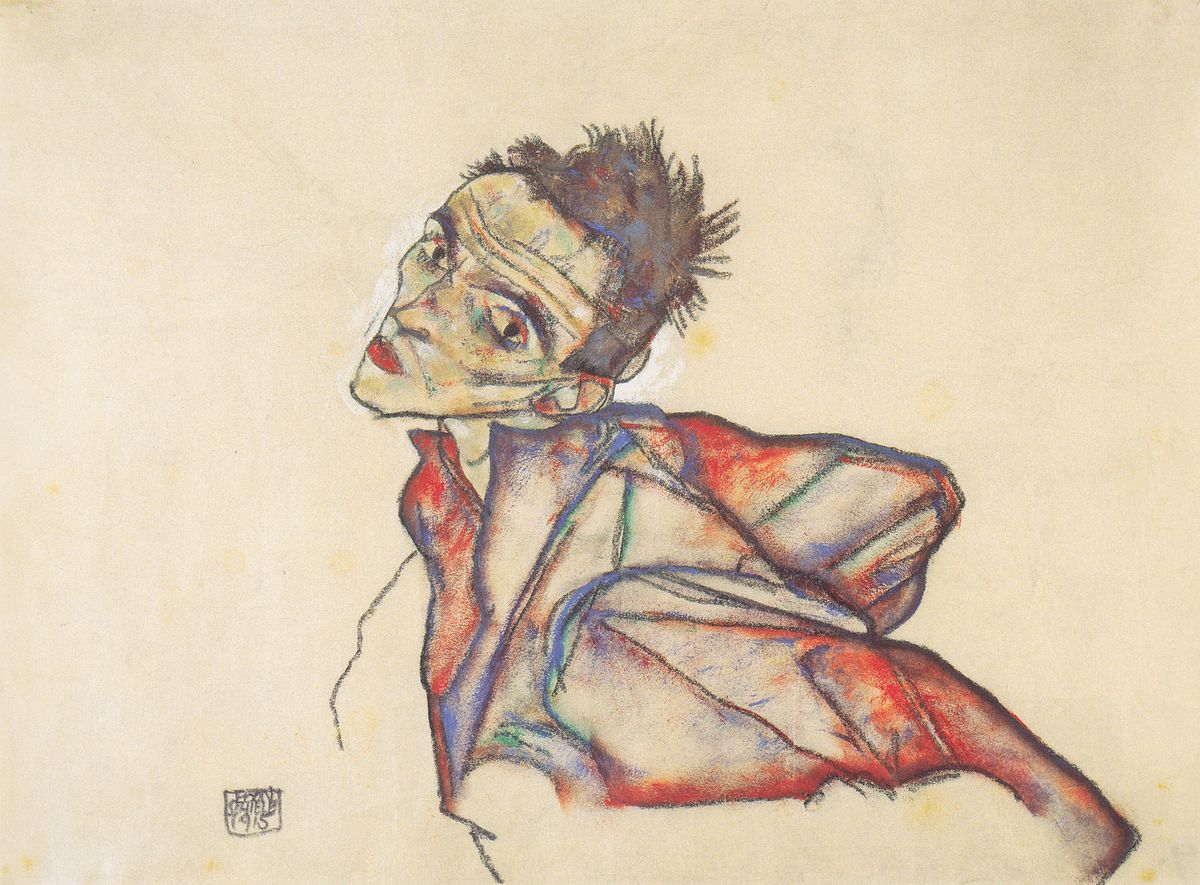
Photo: Wikimedia Commons
Today, Schiele’s works are part of the permanent collections of some of the world’s leading museums, including the Metropolitan Museum of Art and the Museum of Modern Art (MoMA) in New York, as well as the Leopold Museum in Vienna, which houses more than 200 works by the artist.