Cloudy Bay, New Zealand
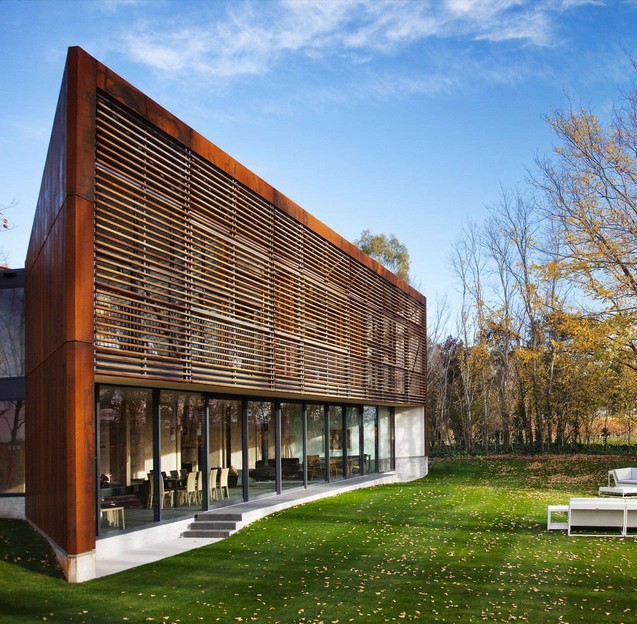
Constructed entirely from wood, the winery features an impressive barrel cellar displayed behind a striking glass wall, along with a welcoming tasting room for visitors. Its vineyards are located in the northern part of New Zealand’s South Island, close to the sea, on gentle hills nestled between surrounding mountain ranges. These are the southernmost vineyards—and winery—on the planet.
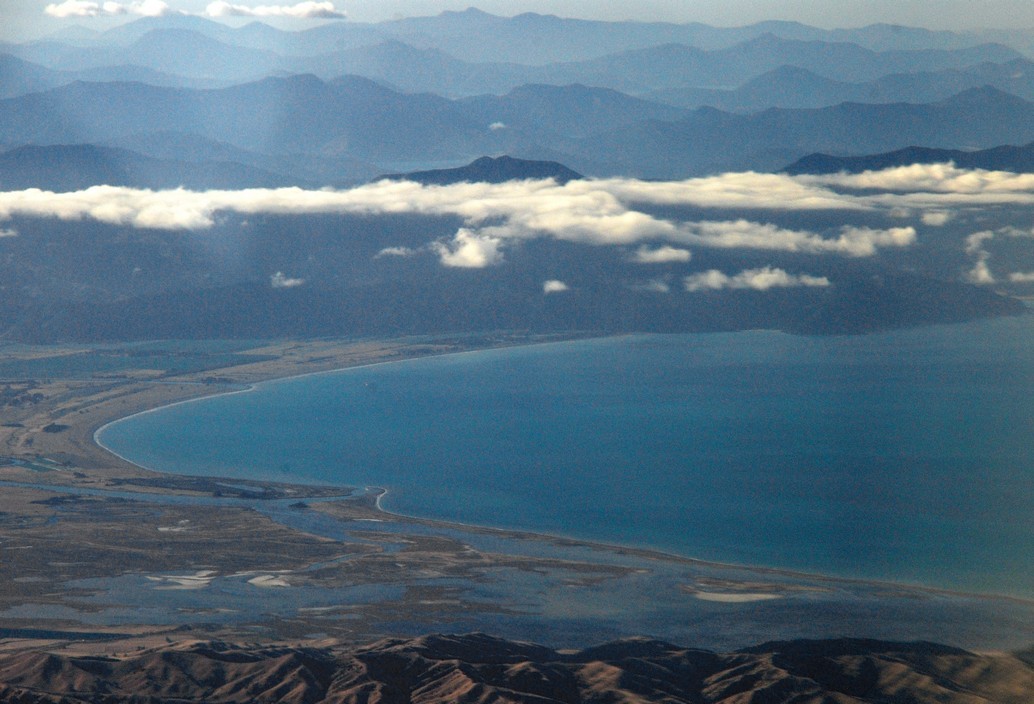
Captain James Cook, one of history’s greatest ocean explorers, was the first European to discover this spectacular bay in New Zealand. It happened on an exceptionally overcast day, prompting him to name it Cloudy Bay. The name has remained in use since 1770, although in recent years there have been efforts to restore its original Māori name, Te Koko-o-Kupe. Whatever the official designation may become, the winery located on the bay will almost certainly continue to bear the internationally renowned name Cloudy Bay.
From modest beginnings in 1973, the winery quickly rose to become the producer of what many consider the world’s finest and most celebrated Sauvignon Blanc. A major turning point came in 1985 when David Hohnen assumed leadership of the winery. Under his direction, growth accelerated dramatically. The success was so remarkable that the prestigious French Champagne house Veuve Clicquot, part of the luxury wines and spirits group that also includes renowned brands such as Moët & Chandon and Hennessy, acquired the winery. The new ownership expanded the vineyards and increased annual production to approximately 1.2 million bottles.
The winery’s distinctive timber architecture blends beautifully with its natural surroundings. Visitors are welcomed through the Cellar Door, as tasting rooms are known in New Zealand, where they can enjoy wines while overlooking the impressive glass-enclosed barrel cellar.
The vineyards stretch across the northern reaches of the South Island near the coast, planted on gently rolling hills with alluvial soils rich in clay and minerals. These southernmost vineyards in the world benefit from a cool maritime climate, with mild summers and constant ocean influence—ideal conditions for cultivating delicate grape varieties that produce wines of exceptional freshness, aromatic intensity, and elegance.
Bottom Line: Veuve Clicquot certainly knows how to recognize—and nurture—great winemaking potential.