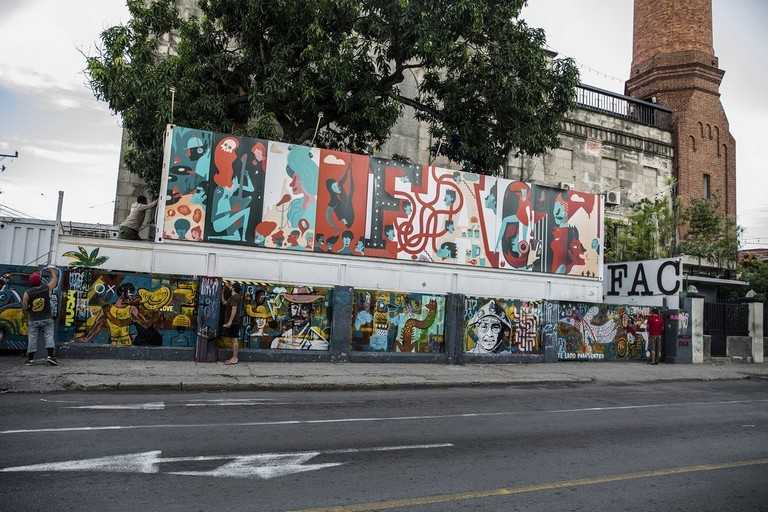
The magic of Cuba lies in its simplicity. Beyond the vintage 1950s cars, colorful yet weathered buildings, salsa-filled clubs, and warm-hearted people, Havana offers a vibrant cultural and artistic scene for both locals and the tourists who flock to the city. The hottest trend in town is spending an evening at Fábrica de Arte Cubano (“Cuban Art Factory”), known to locals simply as FAC.
The building itself stands next to the well-known restaurant El Cocinero in Havana’s Vedado district and remains state-owned to this day. Long ago, it operated as a large cooking oil factory before being abandoned and neglected for nearly thirty years. Cuba’s Minister of Culture decided to breathe new life into the site and entrusted it to renowned local rock musician and producer X Alfonso, who had strong ties to the artistic community, with the mission of creating a cultural center.
The factory was renovated and redesigned while preserving its authentic industrial character. For the past five years, it has served as a dynamic social and artistic hub driven by the desire to support and promote artists from every discipline: music, dance, theater, film, photography, video art, fashion, graphic design, and architecture. FAC’s concept is to make contemporary Cuban art, in all its forms, accessible to the public for a symbolic admission fee of just 2 CUC (approximately two U.S. dollars) per person.
Upon entering, each guest receives a card that is stamped whenever they purchase food or drinks. The idea is to eliminate the need to carry cash throughout the evening and settle the bill only upon departure. Young entrepreneurs who operate the bars and food stands are given an opportunity to earn a living (by local standards), while remaining committed to affordable prices. A bottle of beer, for example, costs only $1.50, making it accessible to most Cubans.
The crowd is remarkably diverse—approximately 60% locals and the rest tourists of all ages. According to FAC’s own data, 90% of its visitors have never been exposed to art before, making their visit a direct interaction with creators and, often, their very first artistic experience. It is moving to see young Cubans holding a beer or a glass of rum while taking selfies beside works of art.
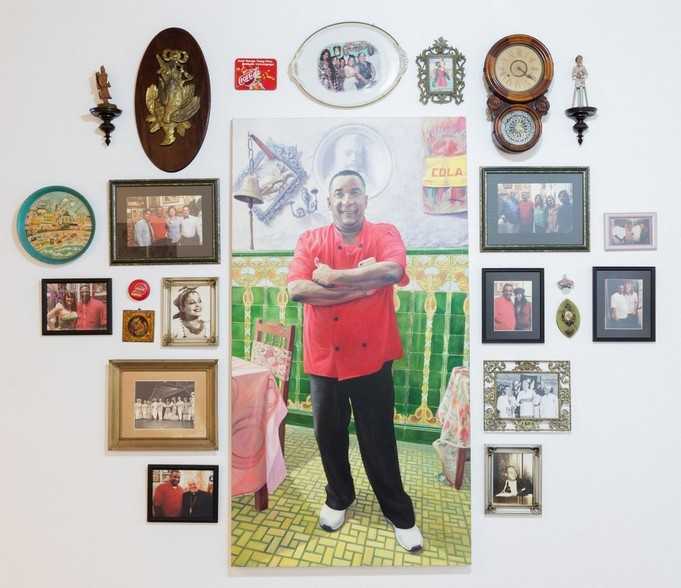
FAC operates only on weekends—from Thursday through Sunday—and is packed to capacity, welcoming approximately 2,500 visitors each night. Thousands of fashionable young Cubans fill the venue, and unlike tourists, they do not have to endure the long line at the entrance. The free-spirited and electrifying atmosphere feels more like a giant loft in New York or Berlin. Since receiving outstanding reviews on TripAdvisor, FAC has become one of Cuba’s must-see attractions.
This has not gone unnoticed by international figures such as Michelle Obama, the Princess of Monaco, Mick Jagger, and many other celebrities who have spent evenings there. In fact, almost no official visit to Cuba by ministers or heads of state is considered complete without a stop at FAC to experience Havana’s thriving contemporary art scene.
Art and the Israeli Connection
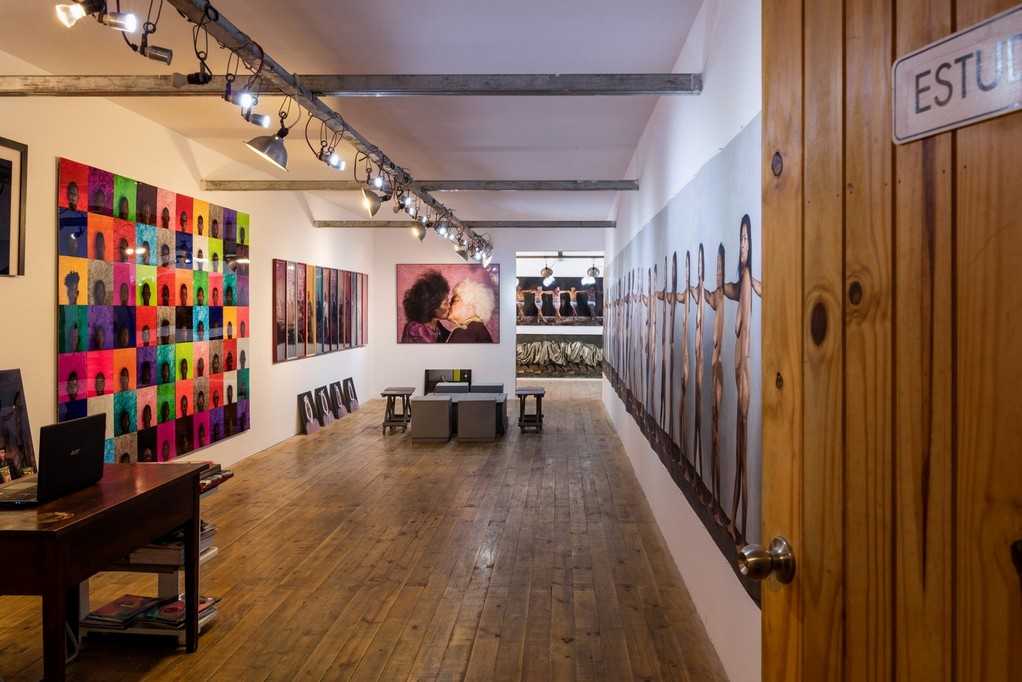
FAC’s sprawling complex is divided into numerous spaces, allowing every visitor to find something that suits their interests: a concert hall, cinema, live-performance venue, theater, dance studio, art galleries, restaurant, young designers’ boutiques, food stalls, and bars.
The art department is managed by Israeli artist Enrique Rottenberg, who has spent more than three decades dividing his time between Havana and Tel Aviv. Born in Argentina, Rottenberg produced and directed the Israeli films Bar 51, The Chosen, and Izik Finkelstein’s Revenge, the latter winning seven Israeli Academy Awards (Ophir Awards) in 1993, including Best Director, Best Screenplay, and Best Film.
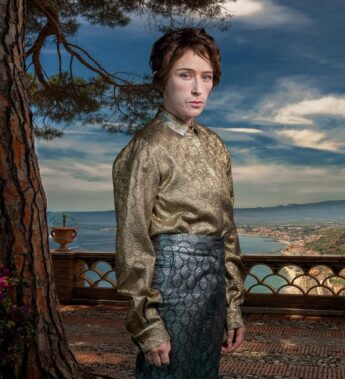
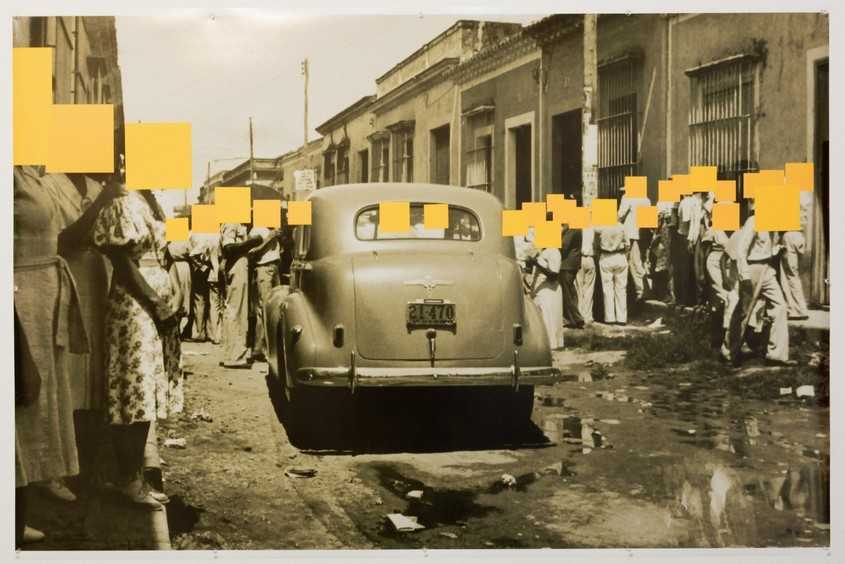
After leaving the film industry, Rottenberg entered the real estate sector and developed Havana’s modern business district. Over the past decade, however, he has returned to the art world as a photographer, directing all of his meticulously staged color photographs in his FAC studio. He is also the proud father of internationally acclaimed Israeli video artist Mika Rottenberg, who lives and works in New York and exhibits in museums around the world.
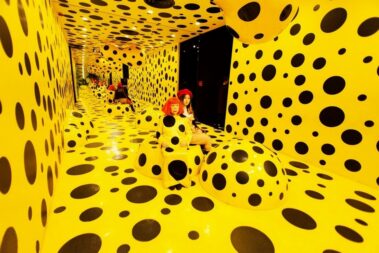
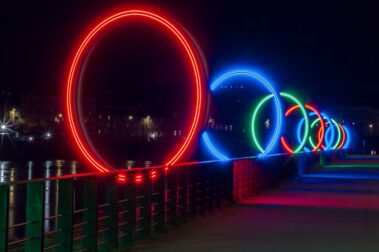
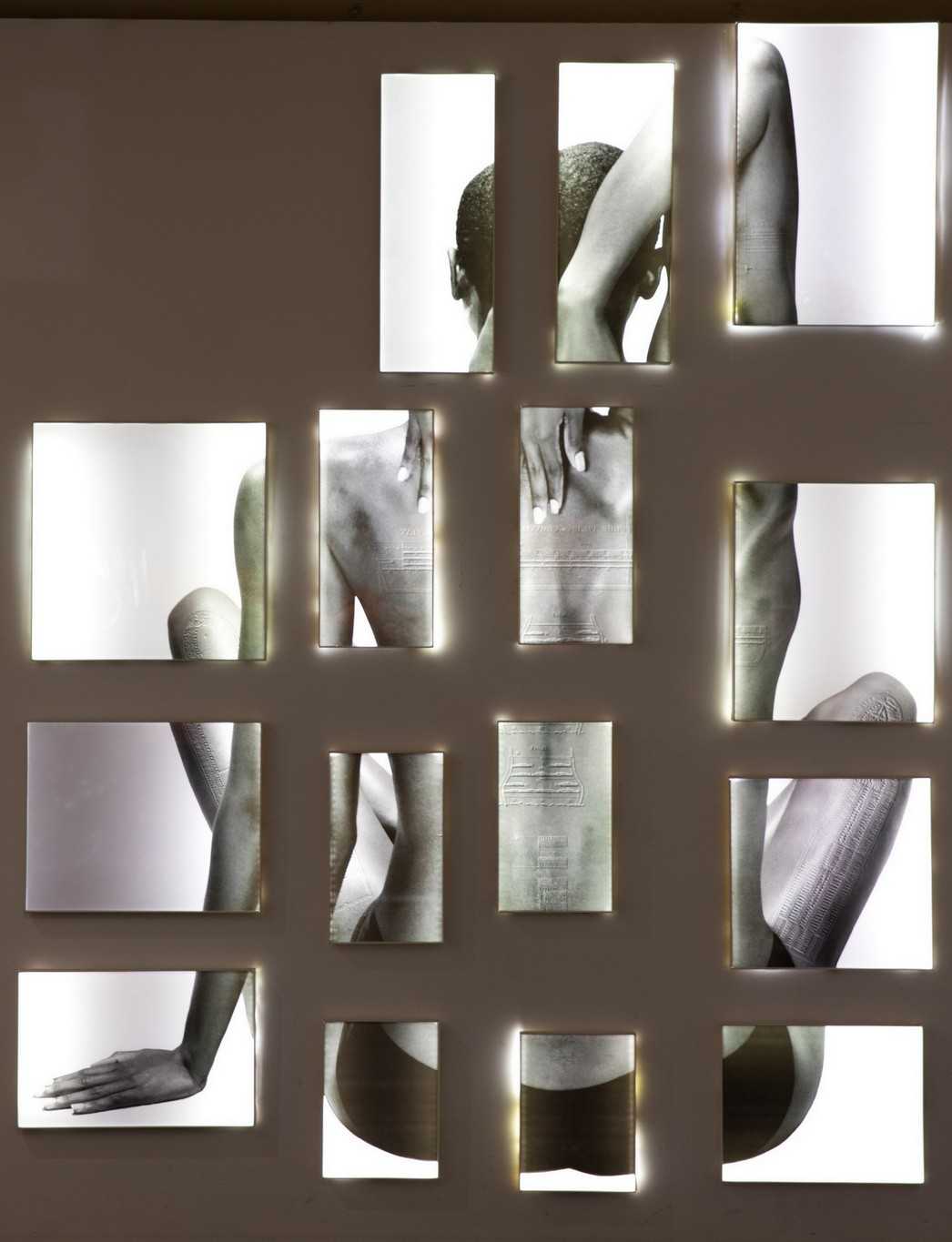
The exhibitions at FAC change every three months, providing a platform for both emerging and established Cuban artists. Every exhibition is a group show featuring around 25 artists. Every wall and corner of the building’s labyrinthine interior is utilized to display artwork, fostering direct interaction between artists and the visitors who come to enjoy the venue.

Approximately 95% of the exhibiting artists are Cuban, while the remainder are international artists with a connection to Cuba. The art presented includes contemporary installations, performance art, oil paintings, and a significant amount of digital art, including video works and photography.
FAC itself does not sell artwork. When visitors are interested in purchasing a piece, the curators connect them directly with the artist. Under Cuban law, artists may sell works only from their own studios. Indeed, Cuba has no private art galleries—only state-run institutions, as befits a communist system. FAC therefore plays a crucial role in supporting artists and providing them with exposure to the large audiences that visit the venue.
Another commendable aspect of the project is its strong connection to the local community. Artists exhibiting at FAC are required to teach art workshops for children during the summer months. In addition, throughout the summer the center opens on Wednesday evenings as well, specifically to expose local children to artistic content from an early age.
Performances, Performances, and More Performances
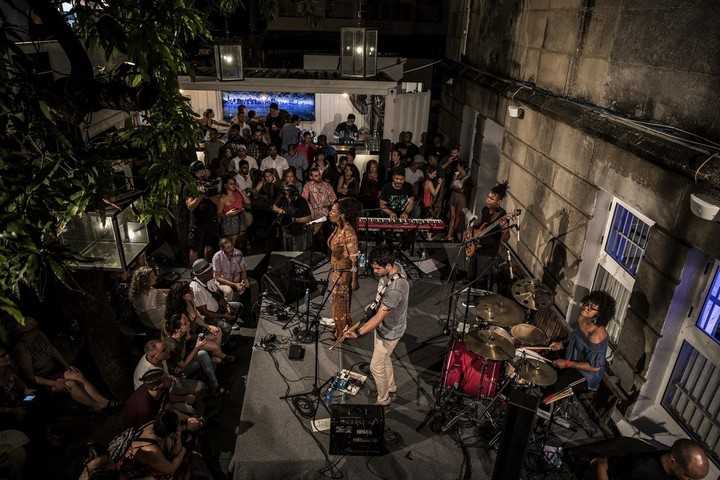
A significant portion of FAC’s rich cultural programming is dedicated to live performances. Every evening the venue is open, visitors can enjoy three different performances. The later-night events typically feature music—rock bands, jazz ensembles, or well-known DJs—while the earlier programs vary by day: classical music on Thursdays, dance performances on Fridays, fashion shows on Saturdays, and theater productions on Sundays. A detailed schedule of performances and events is available on FAC’s website: www.fac.cu.

Over the past five years, musicians from around the world—including Americans, Slovenians, Swedes, and French artists—have performed at FAC. Nevertheless, the primary mission remains the promotion of Cuban talent. An important component of the artistic program is art performance, a multidisciplinary live presentation that combines different media, along with gallery talks featuring artists, writers, actors, designers, intellectuals, and other cultural figures.
FAC has become a symbol of Cuba’s gradual opening to the world—a truly inspiring center that brings younger generations closer to culture and the arts in all their forms. It is a place filled with experiences, creativity, and events, all under one roof.