The Road to Speyside: A Journey into the Heart of Scotch Whisky
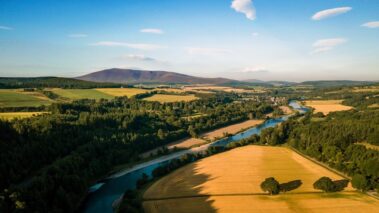
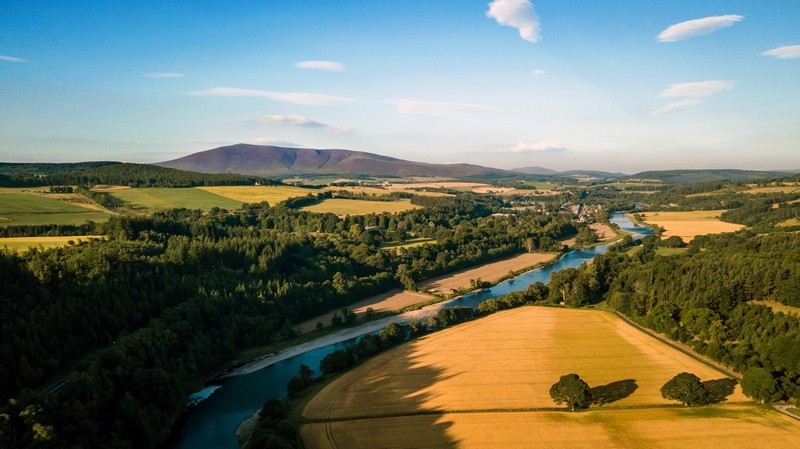
The road from Aberdeen to the town of Keith winds through rolling hills and lush green fields some of the greenest you’ll ever see. The landscape shifts as you travel from southern mountains to the North Sea. Streams and springs carve their way through the Monadhliath mountain range, rushing swiftly toward the sea. These waters are the lifeblood of the local whisky industry.
Keith, nestled in the renowned Speyside whisky region, is a symbol of traditional, picturesque Scotland—the true motherland of whisky. This tiny town boasts a rich history, with remnants of ancient forts, well-preserved castles, blooming gardens, and storied distilleries. Distillery tours and tastings are pre-arranged, often with tailored transport and expert guides. Choosing which distillery to visit proved surprisingly difficult, despite arriving with a well-researched list that, for reasons beyond our control, didn’t quite survive contact with reality.
Speyside is not only one of the finest whisky-producing regions in Scotland it is the most famous. The Glen of the Livet represents its beating heart, with the River Spey collecting the waters of countless tributaries in the region. In Old Scottish, “Glen” means valley or stream—an apt reminder that water is the essential artery of Scotch whisky, and of whisky in general. The crystal-clear waters lend softness and subtle balance to the spirit’s flavor.
The region is home to around fifty distilleries the highest concentration in the world and more are being added. Among them rages an ongoing “cask war”: a near-endless competition over the provenance and previous contents of the oak casks in which the whisky will mature. The most coveted casks once held American bourbon, followed by those that aged dry sherry, medium-sweet sherry, or Oloroso, the sweetest of them all, as well as port wine. Each of these imparts distinct flavor notes and aromas, absorbed deep into the wood and released gradually into the whisky. Matching spirit to cask is an art form—technical, meticulous, and expensive. A well-sourced empty cask can cost thousands of dollars.
A Glimpse into the Distilleries
Out of Speyside’s fifty or so distilleries, we chose to highlight three each one a unique expression of what makes Speyside whisky truly extraordinary.
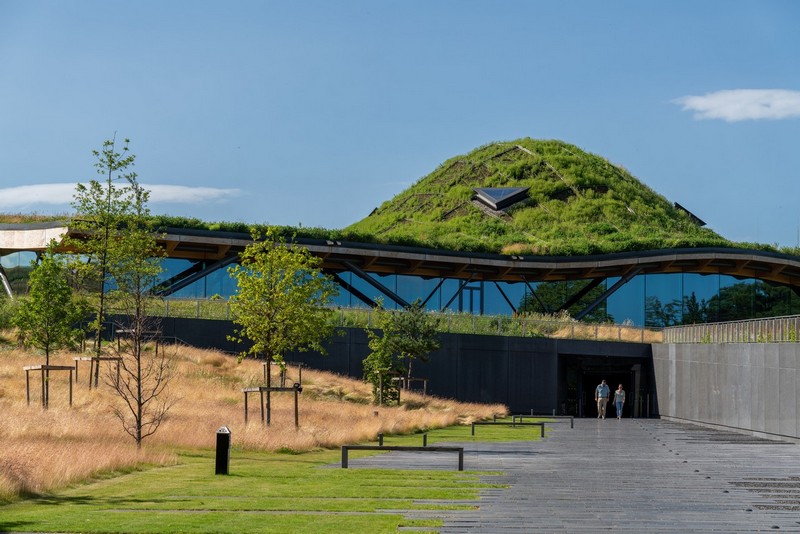
Photo: Shutterstock
The Macallan Distillery
At the point where the River Fiddich flows into the Spey, a sleek, ultra-modern distillery rises—one that both honors and preserves its natural surroundings. Everything here is brought together under one sweeping roof an architectural marvel that is, quite literally, green. Covered in living grass, the rooftop blends so seamlessly into the hillside that from a distance, the distillery all but disappears, camouflaged within the pastoral beauty of Speyside.
Despite its scale, the structure integrates gracefully into the landscape—its soft, sloping green roof embracing modernity while remaining grounded in nature. Step inside, and you’re met with towering copper stills, elegant tasting rooms, vast storage vessels, and below ground, the intake and sorting of raw materials—all the meticulous processes that transform grain and water into the spirit of Scotch.
This is not merely a distillery it’s a whisky university. A temple of craft and knowledge where every visitor walks away more enlightened, and every detail, from grain to glass, is carefully curated.
Macallan 12 Years Old Triple Cask
In 2018, The Macallan unveiled a distinctive new expression: Triple Cask Matured 12 Years. This release brought together whisky aged in three different types of oak casks each imparting its own character and complexity. One portion matured in European oak casks that previously held Spanish sherry; another in American oak ex-bourbon barrels; and the third in American oak casks that also held sherry.
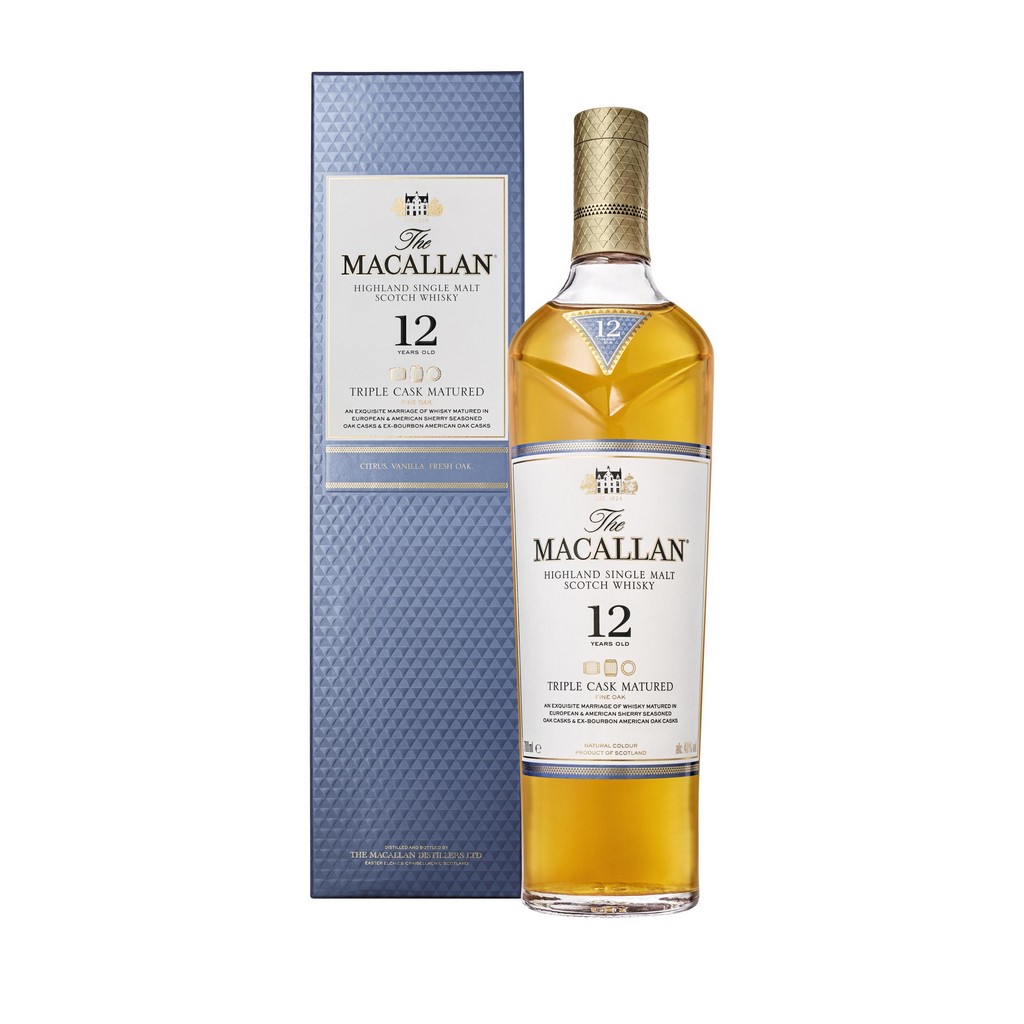
Over the course of twelve patient years, these three components developed in parallel before being masterfully married into a single, harmonious whisky. The result is a spirit of light mahogany hue, brimming with aromas of green grapes and toasted almonds, all gently wrapped in a whisper of delicate cigar smoke. With 40% ABV, it’s an elegant and nuanced dram an embodiment of balance, subtlety, and craftsmanship.
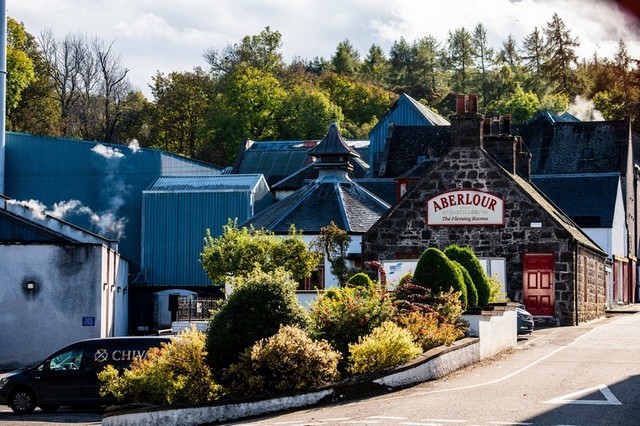
Photo: Wikimedia Commons
Aberlour Distillery
Tucked away in the village that bears its name, Aberlour Distillery exudes quiet charm and history. A small and intimate complex, it’s a loosely arranged cluster of connected buildings—none conforming to a strict layout—surrounding a stone courtyard of weathered greys and blacks. Lush gardens and vibrant flowers soften the rugged edges, giving the place a peaceful, almost monastic feel.
Situated at the confluence of the River Spey and the Lour Burn, Aberlour’s proximity to fresh, soft water is no coincidence—it’s essential to the refinement of its whisky. Founded in 1879, the distillery has changed hands several times over the decades and today forms part of the Pernod Ricard portfolio, joining a global family that includes producers of vodka, gin, and other fine spirits.
Despite its corporate backing, Aberlour remains deeply rooted in Speyside tradition: unpretentious, meticulous, and utterly devoted to craft.
Aberlour 18 Years Old
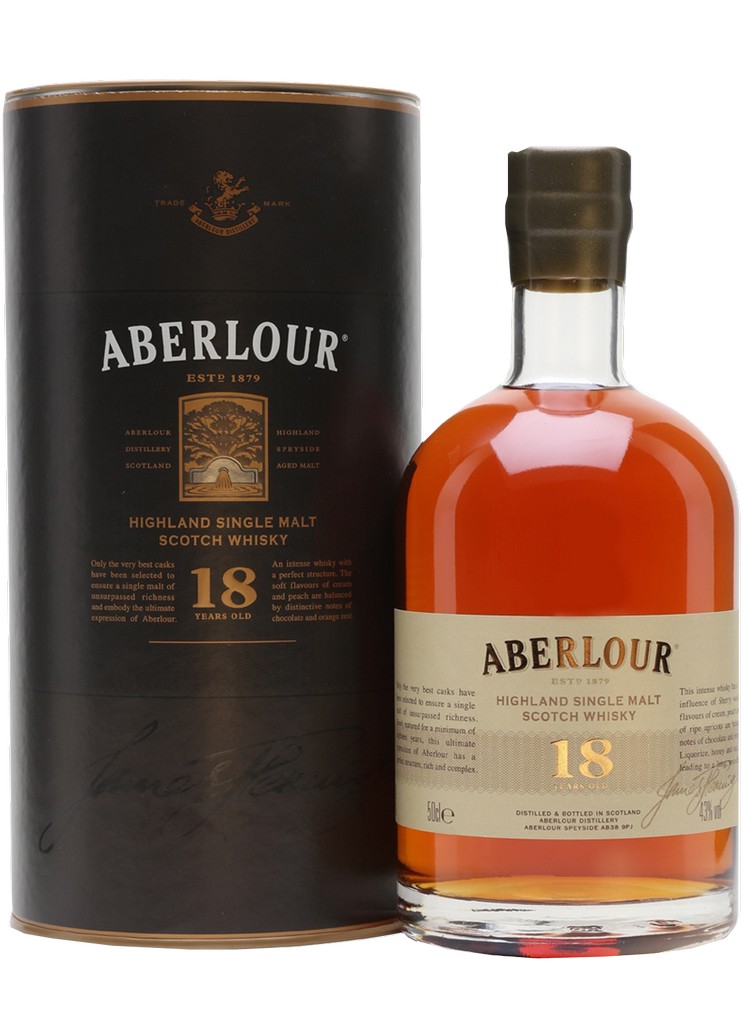
The Aberlour 18 pours a soft light amber, almost honey brown in hue inviting and warm. On the nose, it reveals a bouquet rich with aged oak mature but not overbearing—layered with creamy vanilla and floral honey, evoking a sense of both comfort and complexity.
The palate unfolds in structured layers: green apples, peeled oranges, and plump raisins emerge in harmony, delivering both brightness and depth. There’s A rounded creaminess throughout, elevating the fruit with a silken texture.
The finish is long and satisfying, tapering gently with hints of bittersweet chocolate and a final whisper of oak spice. Bottled at 43% ABV, this is a dram of quiet sophistication rich yet balanced, indulgent without excess.
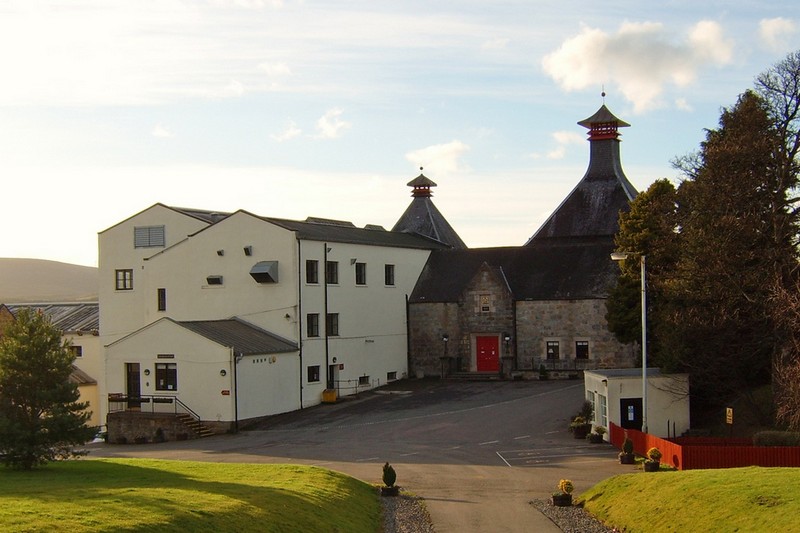
Photo: Wikimedia Commons
Cardhu Distillery
Cardhu is a Speyside distillery in every sense of the word rooted in place, tradition, and water. It draws from its own local spring, the Lynne Burn, which flows directly into the River Spey. While the exterior may lack the romantic charm of other distilleries, inside it hums with life and legacy. Whisky lovers will often catch its presence before stepping inside the unmistakable aroma of spirit aging in oak, rich with evolving notes of malt, fruit, and wood, drifting on the air.
From a distance, two pagoda-style rooftops a signature of classic Speyside architecture stand out above the stone buildings. The old distillery wing, built from dark local stone, sits beside a modern white three-story facility, which houses the more advanced operations. Though Cardhu has expanded over the years doubling its stills to six the historic wing remains intact, preserving the soul of the original structure.
Today, Cardhu operates under the ownership of Johnnie Walker & Sons, and serves as one of the core single malts that underpins the globally renowned blend. Yet on its own, Cardhu maintains a distinct identity gentle, elegant, and approachable, but far from simple.
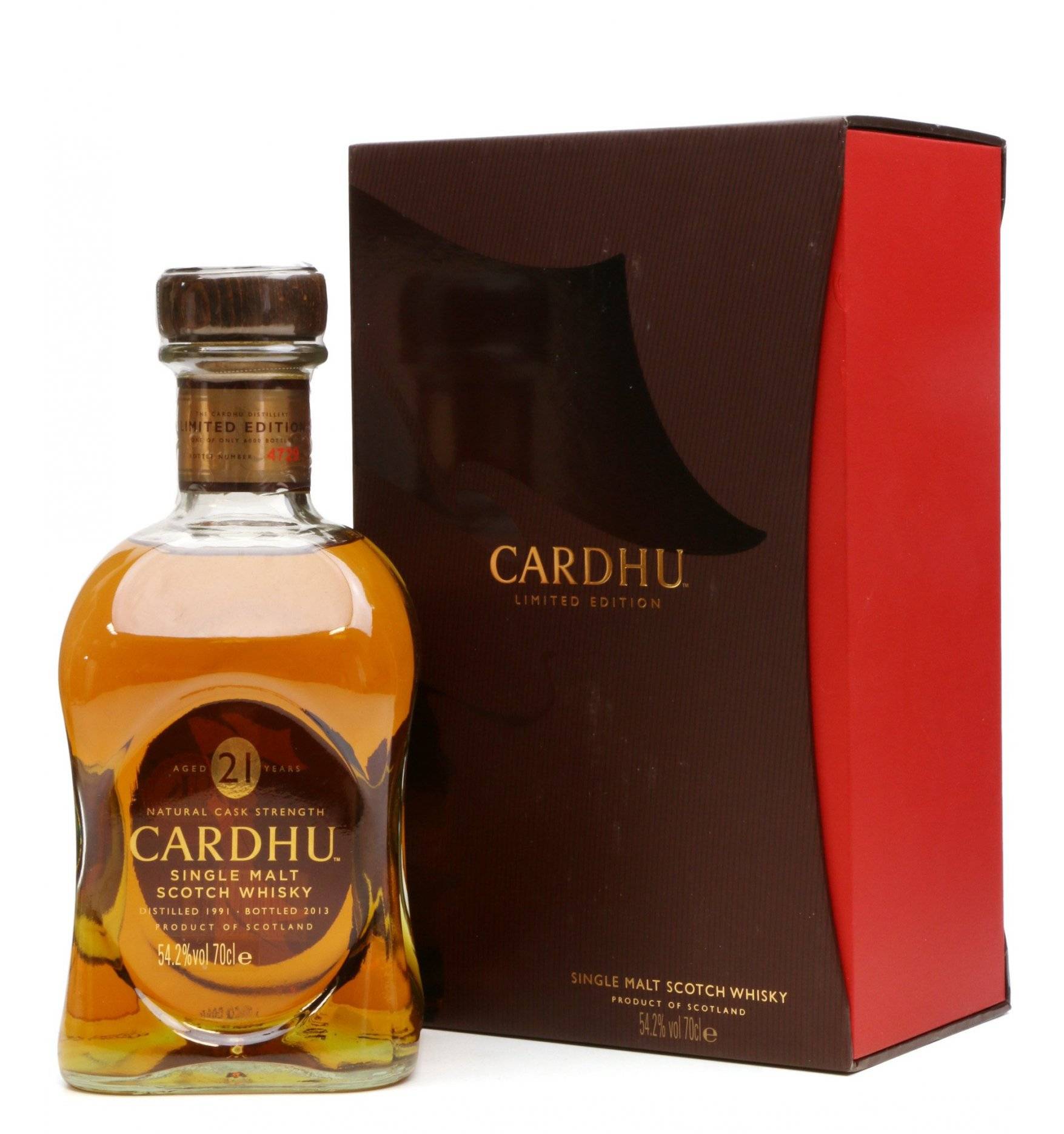
Cardhu 21 Year Old – Limited Edition (Cask Strength)
This is Cardhu at its most expressive bottled straight from the cask, untouched by dilution. A true Cask Strength release, this limited edition has spent 21 years maturing in oak, emerging with an impressive 54.2% ABV yet remarkably, it retains a silky, soft, and layered character that defies its strength.
On the nose, it is highly aromatic, with perfumed notes mingling with hints of ripe fruit and lightly toasted oak. The color is a gleaming mahogany, reflecting both age and elegance. Despite its power, the palate remains smooth and composed an exemplar of long-aged Speyside whisky done right.
Only 6,000 bottles were released worldwide, making this not just a whisky, but a collector’s piece.
Photo: Shutterstock
In Conclusion
The character of a fine Scottish whisky is shaped by a delicate interplay of location, water, and peat and in Speyside, all three are of the highest order. From the clarity of the streams to the subtlety of the peat influence, and the unique microclimate, this region offers a terroir that’s virtually tailor-made for crafting exceptional single malts.
And then there’s the final, often underappreciated element: the Master Distiller the quiet genius behind the dram in your glass. Over the course of my journey, I had the chance to meet a few of these remarkable individuals. Some indeed lived up to their folklore reputation—rosy noses and all but beyond the charm, they are deeply knowledgeable, highly experienced, and intensely dedicated artisans. Years of training and an extraordinary olfactory sense make them the guardians of the house style and the soul of the whisky.
In Speyside, whisky isn’t just made it’s crafted, nurtured, and revered.
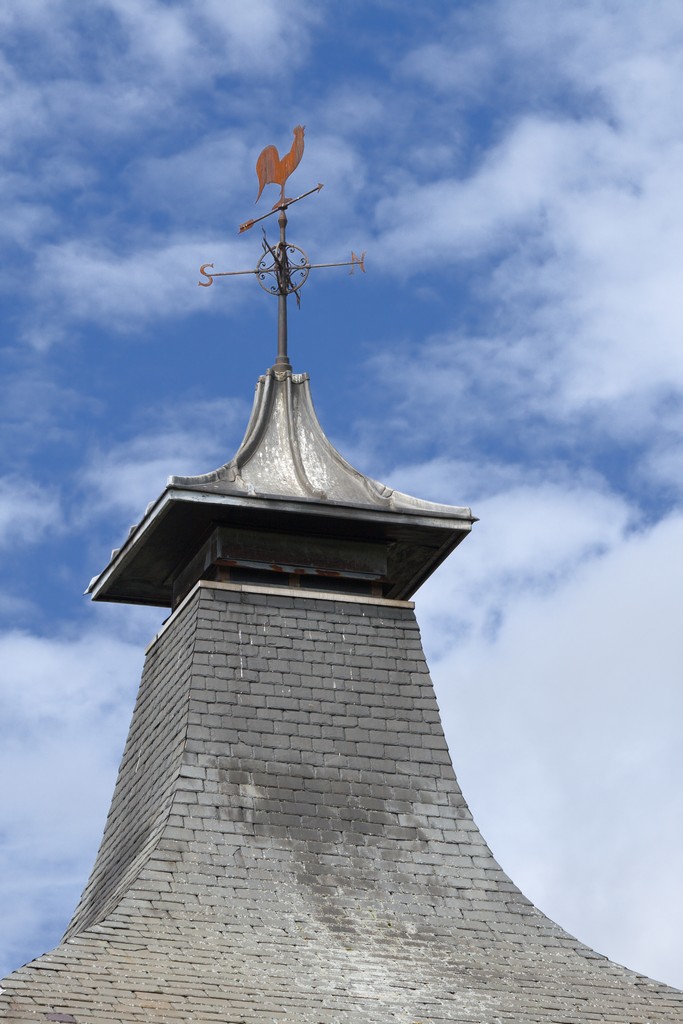
Photo: Shutterstock
In every bar across Scotland, someone who orders an “Uisge-beatha na h-Alba” (a Gaelic term meaning “Water of Life”) is asking for Scotch whisky. The age of the whisky doesn’t always justify its price, and each drinker will select their dram according to personal taste. However, those who appreciate the aromas of lightly toasted oak and the delicate, fragrant smoke of a fine cigar will likely seek out a whisky with a bit more age, and more often than not, a whisky from Speyside.