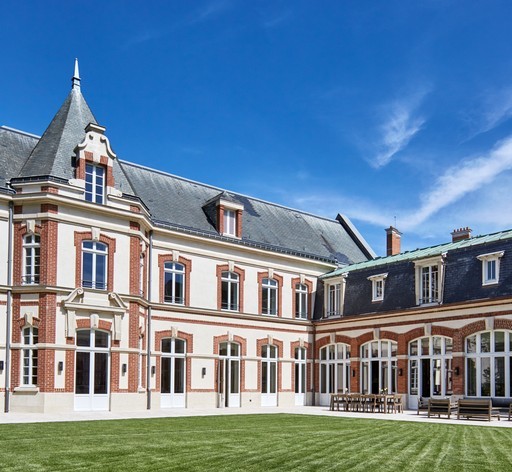
Like many well-known Champagne houses, Krug also has German roots. Johann-Joseph Krug, born in Germany, worked in a Champagne house in France. His ambition led him to establish, in the city of Reims in 1843, the Champagne house that bears his name. The family business began to pass from generation to generation. The founder’s nephew, Jean Seydoux, took over the reins and played a significant role in shaping the current character of the winery. However, the ones who have left the most significant mark on the international recognition of the product’s quality are the brothers Henri and Rémi Krug. The former was the winemaker for about five decades (since 1962), while his brother serves as the brand’s global ambassador.
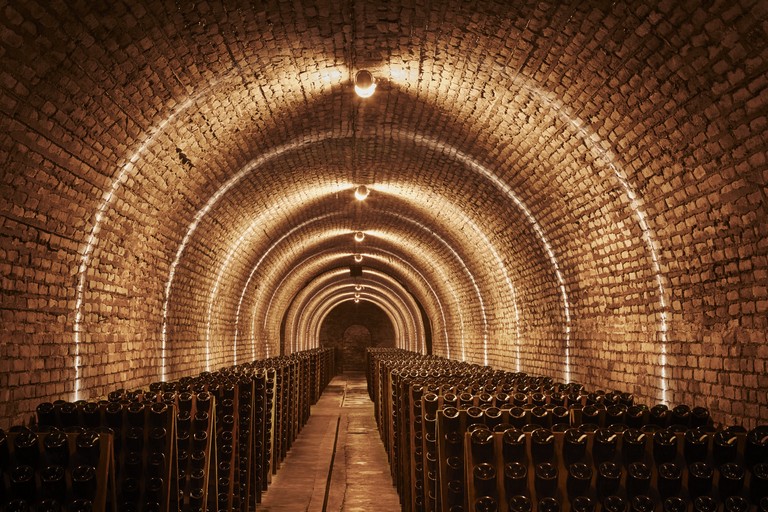
Krug’s uniqueness lies and remains in the extensive use of wood. All the juice ferments in oak barrels of 205 liters each, and only in them. The new barrels undergo several fermentation cycles with wine that is sold externally before being used by the winery to produce its own wines. The aging time on the lees is also particularly long. Another characteristic is the widespread use of older wines to blend into the base blend.

Lemon and baked apple, tightly-knit, a touch of flowers, brioche, and yeast. A pleasant hint of acidity – a complex, intriguing, and captivating aroma. On the palate, it’s easy to appreciate the delicate bubbles, which are a key hallmark of Krug. Silky and creamy texture envelops the palate, perfect balance, good length, and a lingering finish.
In conclusion: German roots in a French champagne.
Price: 950 shekels.