The Rhythm of Cuba
Rum has been produced in Cuba since 1878. Following Castro’s revolution in 1959 and the nationalization of industry, the Cuban rum industry underwent dramatic changes. In later years, the internationally renowned Pernod Ricard became a partner in the Havana Club business.
Rum is traditionally produced from molasses, a by-product of sugar production left after sugar crystals have been extracted from sugar cane. The remaining sugars are fermented and the resulting liquid is distilled to create the spirit.
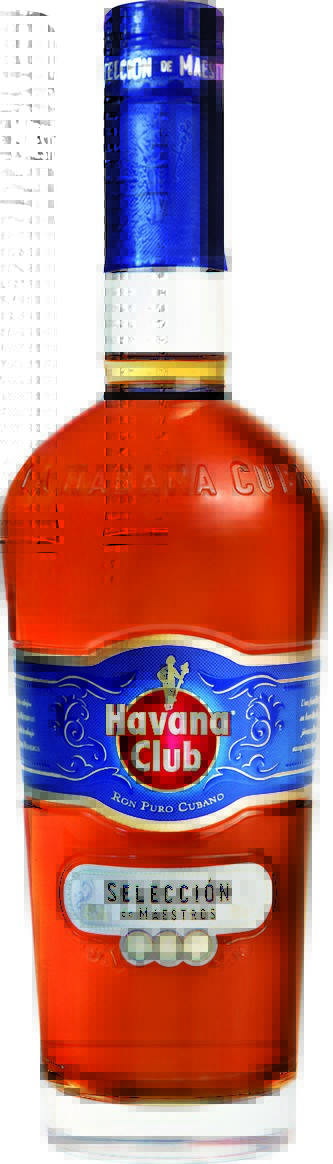
Rum can broadly be divided into three styles – light, medium and heavy. Light rum is typically clear, delicate and smooth; medium-bodied rum develops greater structure and some color; while richer expressions, such as Havana Club Selección de Maestros, display a deep golden-brown hue and considerably greater complexity.
As rum spends time ageing in barrels, its interaction with the wood contributes to its evolving color, aromas and flavors.
How Should You Drink Rum?
One option is to enjoy it simply on the rocks, poured over clear ice cubes.
Then there are cocktails. The possibilities for rum-based cocktails are almost endless.
Rum is aromatic and full of flavor, combining elements that recall its sugar-cane origins with the characteristics acquired during maturation in wood. This versatility allows it to work beautifully in a remarkable variety of drinks.
Try it in a Martini-style cocktail as an alternative to vodka, or enjoy it in classics such as a Hemingway Daiquiri or Mojito, along with countless other rum creations.
Cuba without rum simply would not be Cuba.
Half an hour after landing in Havana, I walked into the legendary El Floridita bar. I sat beside Hemingway’s famous seat – close to it, although not actually on it, as it was protected by chains – and took my first sip of Cuba…
In short: Drink rum – feel Cuba.
Price: $35 per 700 ml bottle