Aspark Owl: Japan’s Electric Hypercar Redefining Speed
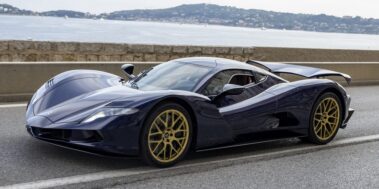
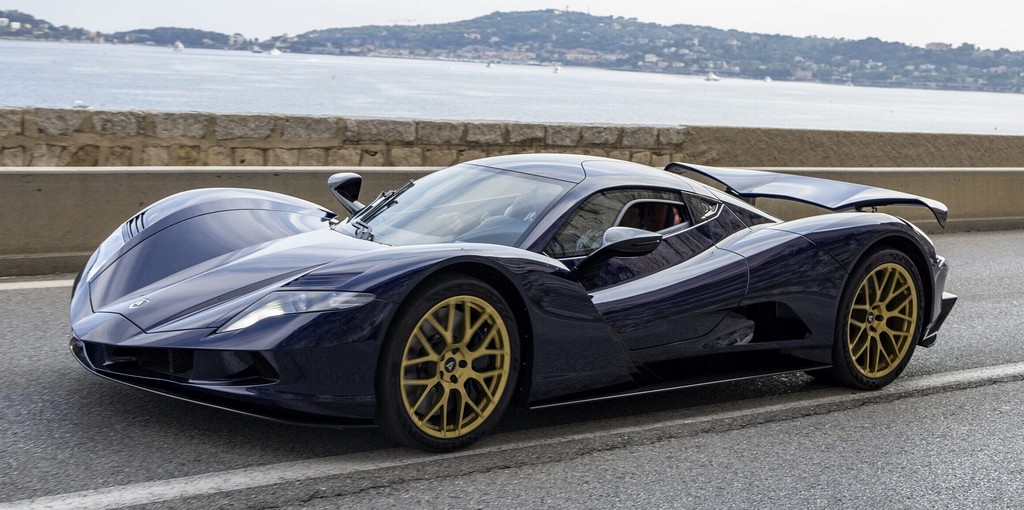
Standing just 99.3 cm (39.1 inches) tall, the Aspark Owl’s roof begins where most cars’ floors end. Its styling is equally extreme—some will find it breathtaking, others excessive. Either way, the Aspark Owl (Owl = owl) is Japan’s first hypercar, and it refuses to go unnoticed.
As striking as its design may be, it is far from the Owl’s most remarkable feature. For starters, this is a fully electric hypercar with truly monstrous performance. Four electric motors produce a combined 1,475 horsepower and 1,920 Nm (1,416 lb-ft) of torque, launching the Owl from a standstill to 60 mph (97 km/h) in just 1.72 seconds—a record that remains unbeaten.
And that is not its only achievement. The Owl also holds the average-speed records for the eighth-mile and quarter-mile, reaching 309.02 km/h (192 mph) and 318.85 km/h (198 mph) respectively. Top speed is an astonishing 413 km/h (257 mph).
Bringing this beast back under control are carbon-ceramic brakes with ten-piston calipers, complemented by an active aerodynamic system that efficiently channels airflow during acceleration and reverses its function when maximum braking performance is required.
The battery pack is relatively modest at 64 kWh, resulting in a theoretical driving range of approximately 315 km (196 miles)—and that figure assumes a gentle right foot. Weight reduction was a key objective, yet even in its standard configuration the Owl tips the scales at nearly two tons.
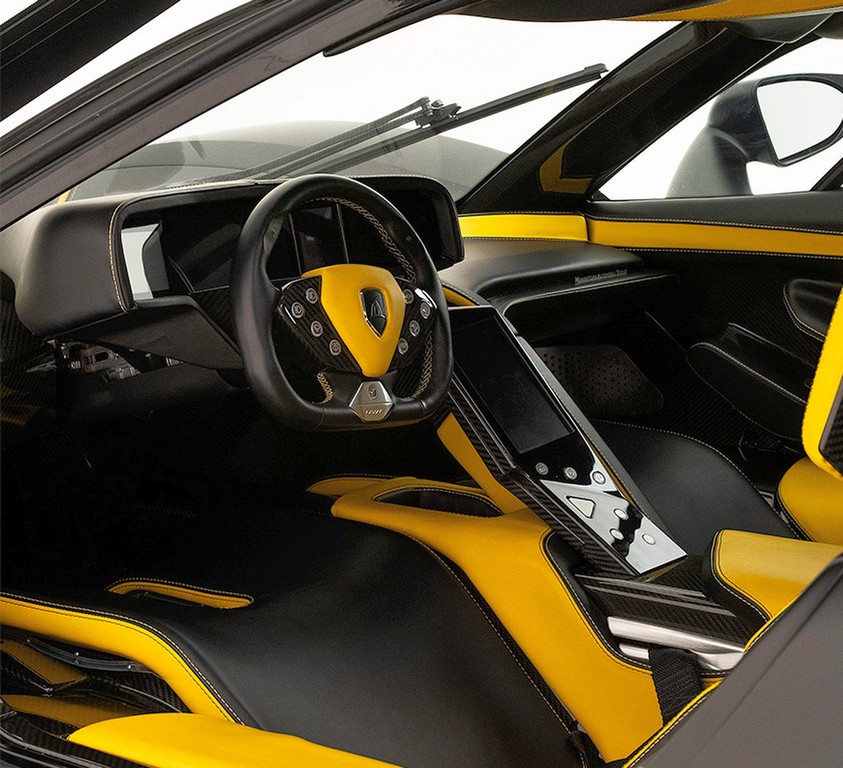
Interestingly, the Owl is built on an 800-volt electrical architecture, but its fast-charging capability is less impressive by modern standards. Peak charging power is limited to 100 kW, allowing the battery to recharge from 20% to 80% in about 45 minutes.
Beyond the numbers, the company behind the Owl is equally intriguing. Aspark is a Japanese engineering firm specializing in automotive engineering services. The company unveiled the Owl as a concept car in 2017 and introduced the production version in 2020. While the vision, ownership, and development are Japanese, production takes place in Turin, Italy.
Bottom Line:
Japan’s first hypercar, backed by an impressive list of performance records.
Price: Approximately $4.2 million.