Vincent van Gogh (1853–1890)
One of the greatest painters of the Post-Impressionist movement, Vincent van Gogh is recognized as one of the most celebrated self-portrait artists of the 19th century. He created the vast majority of his paintings and drawings during the decade preceding his death by suicide at the age of 37, after struggling with severe mental illness. His brief life was marked by poverty, suffering, and emotional turmoil. During his lifetime, he sold only a single painting, achieving worldwide fame only after his death.
Van Gogh produced an extraordinary series of approximately thirty self-portraits, each revealing his emotional intensity and troubled state of mind. Through energetic, expressive brushstrokes and vibrant swirling colors, these works offer a deeply personal glimpse into his inner world and the artistic language that defined his legacy.
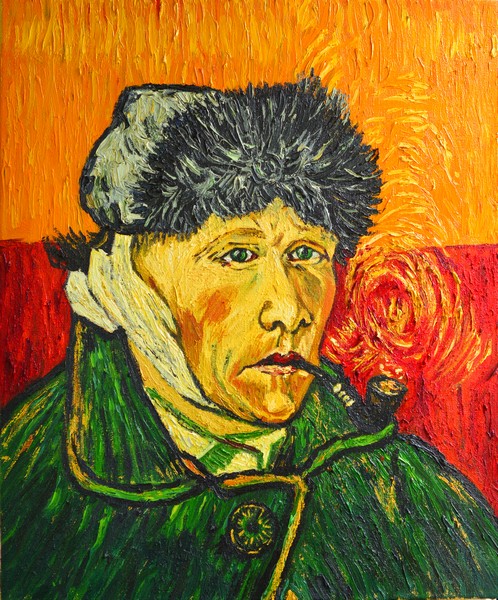
His iconic masterpiece, Self-Portrait with Bandaged Ear, painted in 1889 while he was hospitalized in a psychiatric institution in France, depicts the aftermath of the traumatic incident in which he severed part of his ear during a period of profound emotional and psychological distress.
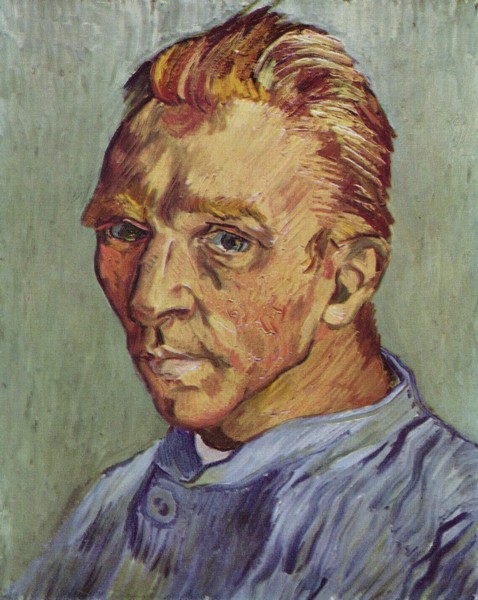
A century after Van Gogh’s death, Self-Portrait Without Beard, also painted in 1889, was sold at auction for an astonishing $71.5 million, making it one of the most expensive self-portraits ever sold.